
The Evolution of Collaborative Dental Care
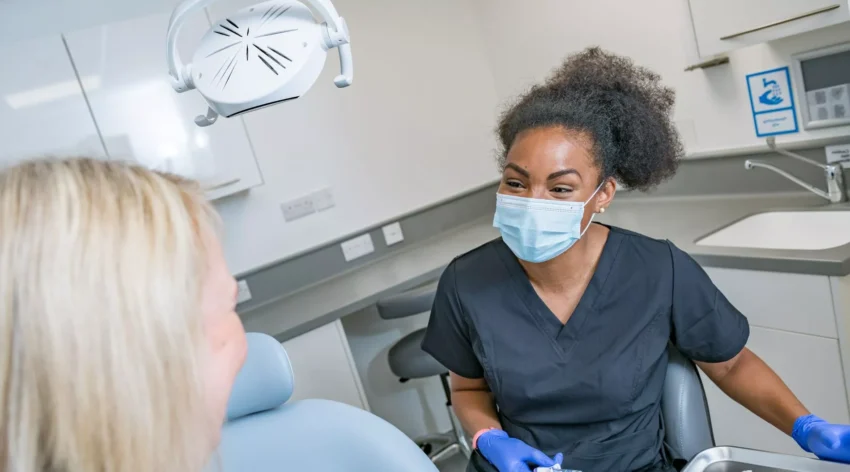
Modern dentistry has evolved far beyond the traditional image of a single practitioner working in isolation. Today’s complex dental cases often require a carefully orchestrated symphony of specialists, each contributing their unique expertise to achieve optimal patient outcomes. The coordination of interdisciplinary care has become a hallmark of excellence in private dental practice, where a private dentist in Manchester recognises that comprehensive treatment planning demands a collaborative approach.
When patients present with multifaceted dental issues—combining periodontal disease, orthodontic needs, and restorative requirements—the expertise of a private dentist lies not only in their clinical skills but in their ability to bring together various specialists seamlessly. This collaborative framework ensures that each aspect of a patient’s treatment plan complements the others, rather than working at cross purposes.
Understanding the Interdisciplinary Team Structure
The foundation of successful interdisciplinary care rests upon a well-defined team structure. Private dental practices typically coordinate between several key specialists, each bringing essential knowledge to complex cases. These professionals work in concert to develop comprehensive treatment strategies that address all aspects of oral health simultaneously.
Core Specialists in Dental Collaboration
The interdisciplinary team often includes periodontists, who manage gum disease and bone health; endodontists, specialising in root canal therapy and dental pulp issues; orthodontists, focusing on tooth alignment and bite correction; oral surgeons, handling extractions and surgical procedures; and prosthodontists, experts in dental restoration and replacement. Each specialist contributes a vital perspective to the overall treatment plan, ensuring comprehensive care delivery.
The Role of the Coordinating Dentist
At the centre of this collaborative network sits the coordinating dentist, who serves as the patient’s primary point of contact and the orchestrator of care. This practitioner maintains oversight of the entire treatment journey, ensuring seamless communication between specialists and monitoring progress across all interventions. Research has demonstrated that dental care coordination significantly improves treatment outcomes across diverse patient populations, highlighting the critical importance of this central coordination role.
Communication Protocols and Technology Integration
Effective interdisciplinary coordination relies heavily on robust communication systems. Private dental practices have embraced digital technologies that facilitate real-time information sharing between specialists. Secure cloud-based platforms allow practitioners to access patient records, radiographs, and treatment notes instantaneously, ensuring that every team member works from the same comprehensive dataset.
Regular case conferences form another crucial element of successful collaboration. These meetings bring specialists together to discuss complex cases, review progress, and adjust treatment plans as needed. The dialogue between experts often reveals insights that might otherwise remain hidden, leading to innovative solutions for challenging clinical scenarios.
Sequential and Simultaneous Treatment Approaches
Interdisciplinary care coordination requires careful planning of treatment sequences. Some procedures must occur in a specific order—for instance, periodontal treatment typically precedes orthodontic work to ensure healthy foundations for tooth movement. Other interventions can proceed simultaneously, reducing overall treatment time and improving patient convenience. Integrating interdisciplinary work with health specialists demands careful timing and coordination to maximise efficiency whilst maintaining clinical excellence.
Patient-Centred Benefits of Coordinated Care
The advantages of interdisciplinary coordination extend well beyond clinical outcomes. Patients benefit from streamlined appointment scheduling, reduced treatment durations, and consistent communication throughout their care journey. Financial planning becomes more straightforward when treatment costs are presented comprehensively from the outset, allowing patients to make informed decisions about their oral health investments.
Moreover, coordinated care reduces the risk of conflicting treatments or duplicated procedures. When specialists communicate effectively, they can identify potential complications before they arise and adjust treatment plans proactively. Studies have shown that collaborative approaches in dentistry lead to enhanced patient satisfaction and superior clinical results, underscoring the value of this integrated model.
The Future of Collaborative Dental Practice
The landscape of interdisciplinary dental care continues to evolve, with private practices leading the way in innovative coordination strategies. As dental science advances and treatment modalities become increasingly sophisticated, the need for specialist collaboration will only intensify. The most successful practices will be those that foster strong professional networks, invest in communication technologies, and maintain an unwavering commitment to patient-centred care coordination. Through these collaborative efforts, complex dental cases that once seemed insurmountable can now be resolved with predictable, excellent outcomes.