
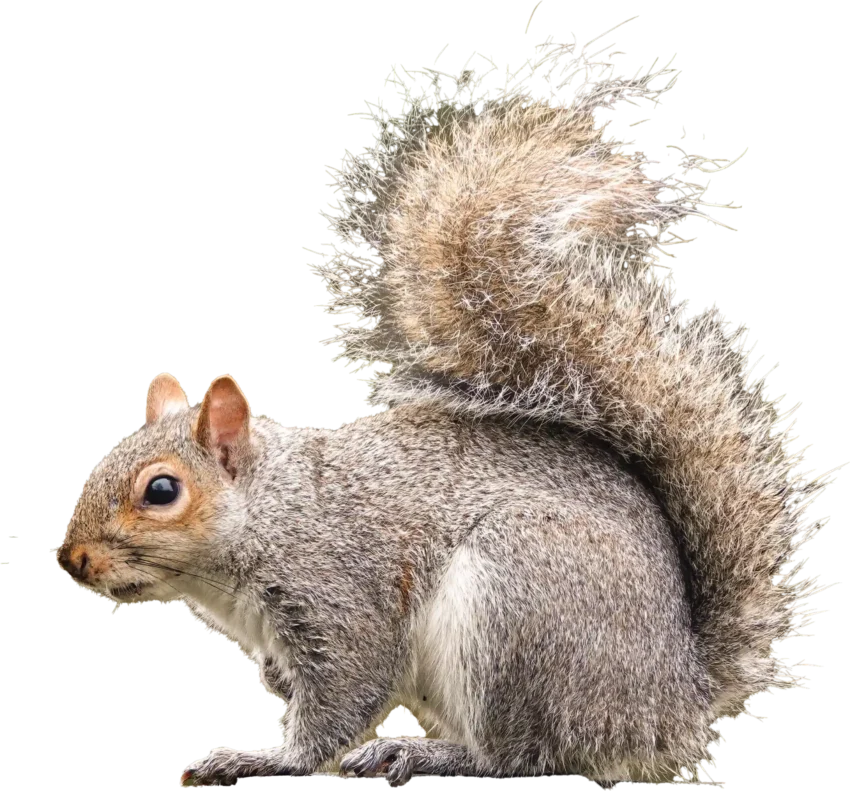
Unexpected scratching above the ceiling often signals a hidden conflict between living spaces and nearby creatures. Homes require calm interiors yet nearby habitats push animals toward shelter. Reliable san antonio wildlife removal services help protects structures while maintaining ethical handling standards. Damage grows quickly when entry points remain open. Clean surroundings reduce health threats linked to nesting materials. The following sections present clear methods that support safe removal, prevention, and sanitation together.
Silent Entry Points within Building Frames
Tiny openings allow nesting inside insulation voids or wall gaps. Early detection prevents costly restoration.
- Cracked vents invite nesting activity during colder seasonal climate changes
- Broken roof edges create hidden passages for nocturnal wildlife movement
- Loose siding panels allow silent access into interior structural cavities
- Damaged soffits support repeated entry for shelter-seeking creatures
Careful sealing protects structural strength.
Habitat Pressure around Residential Zones
Vegetation density near structures increases shelter appeal for small mammals. Waste storage areas also attract scavengers. Proper spacing limits contact between built environments and nearby fauna. Controlled surroundings reduce conflict while supporting stable exterior conditions.
Sanitation Measures after Animal Departure
Droppings fur remnants because odours build up inside confined surfaces. Cleaning restores air purity. Removal of contaminated material supports safer indoor activity. Proper disposal prevents recurring attraction from scent traces.
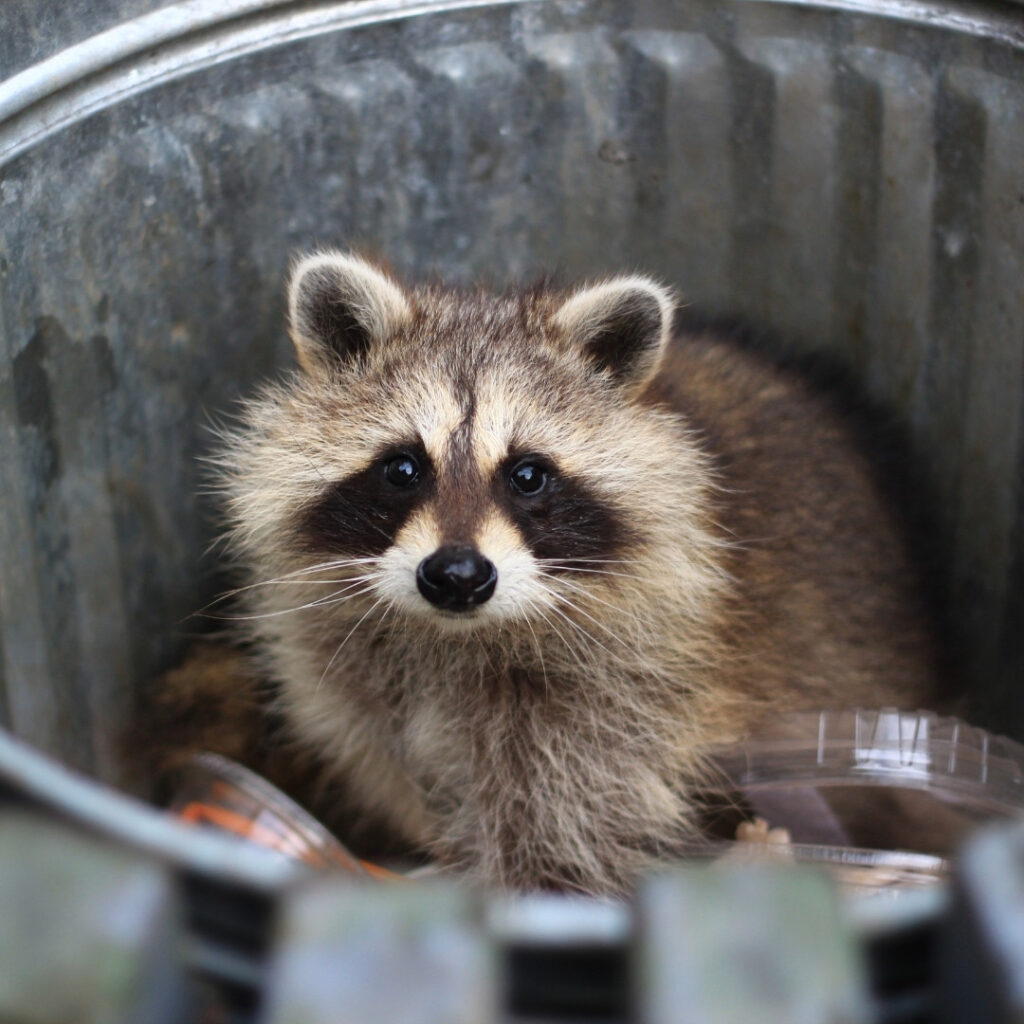
Protective Barriers for Future Intrusions
Exclusion systems block re-entry without harming animals. Durable screens cover vents effectively. Reinforced edges maintain long term resistance against gnawing pressure. These methods maintain stable interiors for extended periods.
- Heavy gauge mesh blocks repeated attempts from determined climbing species
- Reinforced chimney caps stop nesting inside warm vertical shafts
- Door sweeps close lower gaps used by ground-moving animals
- Sealed utility openings remove dark access tunnels permanently
- Motion lighting discourages shelter-seeking activity during night hours
- Trimmed branches prevent roof-level jumping access routes
- Covered drainage outlets limit water-based shelter opportunities nearby
- Stored materials raised above ground reduce hidden nesting zones
Strong barriers support lasting security.
Balanced Interaction With Nearby Fauna
Ethical relocation respects ecological roles while reducing indoor disruption. Trained handling avoids stress for captured animals. Safe release zones maintain natural behaviour patterns. Such action promotes coexistence between residential spaces and surrounding habitats.
Property Recovery through Structural Renewal
Damaged insulation, wiring, and wooden beams require restoration for safety. Repairs eliminate lingering odour sources. Maintenance teams often depend on san antonio wildlife removal services for coordinated recovery planning. Renewed interiors regain stability through proper rebuilding methods.
Safer Living through Ethical Control
Secure interiors depend on early detection, proper sealing, and thorough cleaning. Balanced removal methods protect both residents and surrounding species. Restoration work strengthens building integrity for extended use. Preventive barriers stop recurring disturbance without harsh action. Coordinated planning delivers stable environments that support peaceful daily activity.