
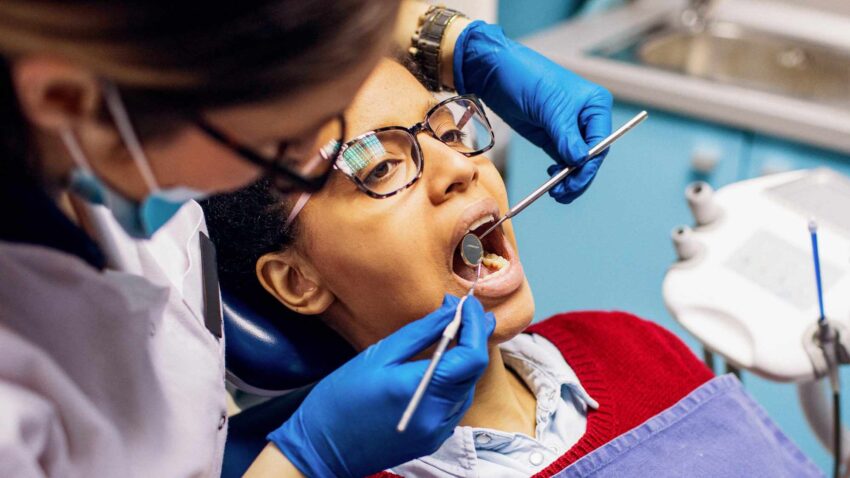
Understanding the Philosophy Behind Modern Conservative Dentistry
The landscape of dental care has undergone a remarkable transformation over the past few decades, with practitioners increasingly embracing a philosophy that prioritises preservation over intervention. This approach, known as minimal intervention dentistry, represents a fundamental shift away from the traditional ‘drill and fill’ mentality that once dominated the profession. Rather than rushing to remove damaged tissue, modern dental professionals, such as a dentist Ivanhoe, now focus on maintaining as much natural tooth structure as possible whilst addressing oral health concerns.
At its core, this conservative approach recognises that natural teeth possess an inherent ability to heal and remineralise under the right conditions. The human mouth is a remarkably complex ecosystem, and understanding this delicate balance has led to revolutionary changes in how dental problems are diagnosed, treated, and prevented. This paradigm shift has not only improved patient outcomes but has also enhanced the overall experience of dental care for countless individuals.
The Science Behind Tooth Preservation
The foundation of minimal intervention dentistry rests upon decades of research into tooth biology and the natural processes that occur within the oral cavity. Scientists have discovered that teeth are not static structures but dynamic tissues capable of repair and regeneration when provided with the appropriate environment. This understanding has led to the development of materials and techniques that work in harmony with these natural processes.
Saliva plays a crucial role in this biological system, acting as nature’s own protective mechanism against decay. It contains essential minerals such as calcium and phosphate, which can help rebuild weakened tooth enamel through a process called remineralisation. Modern conservative treatments harness these natural properties, using fluoride applications and other mineral-rich substances to enhance the mouth’s innate healing capabilities.
Revolutionary Techniques Changing Patient Experiences
Air Abrasion and Gentle Removal Methods
Traditional dental drills, whilst still necessary in many situations, are no longer the only option for removing decay. Air abrasion technology allows practitioners to remove damaged tissue using a stream of fine particles, often eliminating the need for anaesthesia and reducing patient anxiety. This technique is particularly valuable for small cavities and can preserve significantly more healthy tooth structure than conventional methods.
For those seeking comprehensive care in Melbourne’s northern suburbs, a skilled dentist might employ these advanced techniques as part of their conservative treatment approach. The integration of such technologies has made dental visits more comfortable while achieving superior long-term outcomes for patients.
Biomimetic Materials and Smart Restorations
The development of biomimetic materials has revolutionised how dental restorations are performed. These advanced compounds mimic the natural properties of tooth enamel and dentine, creating restorations that flex and respond similarly to natural teeth. Glass ionomer cements and resin-modified materials release fluoride over time, providing ongoing protection against future decay whilst maintaining structural integrity.
Smart materials have also emerged that can detect changes in the oral environment and respond accordingly. Some modern filling materials can release additional minerals when acid levels increase, effectively fighting decay at the microscopic level. This represents a significant advancement from traditional amalgam fillings, which simply filled cavities without providing any protective benefits.
Preventive Strategies and Early Intervention
The principles of minimal intervention dentistry encompass comprehensive preventive strategies that address oral health issues before they require invasive treatment. Digital imaging and laser fluorescence technology enable practitioners to detect decay at its earliest stages, often before it becomes visible to the naked eye. This early detection allows for non-invasive treatments such as remineralisation therapy and targeted fluoride applications.
Risk assessment has become a cornerstone of modern dental practice, with practitioners evaluating individual patient factors such as diet, oral hygiene habits, and genetic predisposition to determine personalised prevention strategies. The FDI World Dental Federation’s guidelines on managing dental caries emphasise this individualised approach to patient care.
The Future of Conservative Dental Care
Research continues to push the boundaries of what’s possible in conservative dentistry. Regenerative techniques using stem cells and growth factors show promise for actually regrowing damaged tooth structures. Clinical studies published in dental journals demonstrate the long-term success rates of minimal intervention approaches, validating this conservative philosophy.
Artificial intelligence and machine learning are beginning to play roles in early diagnosis and treatment planning, potentially identifying optimal intervention points with unprecedented precision. These technological advances, combined with our growing understanding of oral biology, suggest that the future of dental care will be increasingly conservative, comfortable, and successful.
Embracing a New Era of Dental Wellness
The transformation of dental care through minimal intervention techniques represents more than just technological advancement—it signifies a fundamental reimagining of what dental treatment can achieve. By working with natural biological processes rather than against them, modern dentistry has created pathways to better oral health that are both gentler and more sustainable. This approach not only preserves precious tooth structure but also enhances patient comfort and long-term outcomes, truly embodying the magic of conservative dental care.
Any surgical or invasive procedure carries risks. Before proceeding, you should seek a second opinion from an appropriately qualified health practitioner.